

Why Hotel Safes Use “Guest-Set Code” — And What That Means for Your Security
When you stay in a hotel, using the in-room safe feels simple. You close the door, enter a password, hear a beep, and your belongings are locked away. But behind this simple process is a very specific mechanism most people never think about.
The majority of hotel safes operate on what’s called a “Guest-Set Code” system — a single-use password design that resets after each stay. Understanding how this works helps you better evaluate both hotel safes and your own home security choices.
1. Most Hotel Safes Use a “Guest-Set Code” Mechanism

A “Guest-Set Code” system means the guest creates their own password during their stay. The hotel does not pre-program a fixed code for each room.
This password:
- Exists only for that specific stay
- Is created by the guest
- Automatically resets after checkout or staff override
- Does not carry over to the next guest
This design is intentional. It removes the need for permanent codes and reduces long-term security risks.
2. Typical Hotel Safe Unlocking Process
Hotel safes are designed for speed and simplicity. The system must be easy enough for any traveler to use without instructions, yet secure enough to protect valuables temporarily.
The process is standardized across most hospitality brands.
3. Password Setup Process (After Check-In)
Here is how the typical setup works once you arrive in your hotel room:
- Close the safe door
- Enter your chosen 4–6 digit code
- Press “LOCK” or “#” to confirm
- Hear a confirmation beep
At this moment, the password becomes active.
Important: This code belongs only to that single use period. It is not stored permanently and will be cleared when reset by hotel staff.
Opening the Safe
To open the safe:
- Enter the password you just created
- The door unlocks automatically
No key is required for daily use, although hotel staff usually maintain an override key or master code for emergencies.
4. Why the “Single-Use Password” Design Is So Smart
This system may seem basic, but it’s actually a highly efficient commercial security design.
- Guests are responsible for creating their own code
- Hotels do not need to manage individual passwords
- The safe resets after checkout
- Operational and management costs are reduced
From a business perspective, this minimizes liability and simplifies turnover between guests. Each stay starts with a clean slate.
It’s a clever balance between convenience and risk control.
Hotel Safe vs. Home Safe: An Important Difference

While hotel safes are built for short-term convenience, residential safes are designed for long-term protection against theft and fire. If you’re looking for a solution that works both in hospitality settings and modern homes, the Hovia — Hotel and Home Safe offers a balance of commercial-style simplicity and dependable home security.
The Hovia model reflects the same user-friendly logic found in hotel safes — easy setup, straightforward digital access — while providing the durability and reliability expected from a home security product.
Explore ISLANDSAFE Security Solutions
Security needs vary — from compact apartment storage to luxury home installations and firearm protection. ISLANDSAFE offers a full range of professionally engineered solutions designed to combine modern aesthetics with dependable protection.
Browse our Home Safes Collection for everyday document and valuables protection. For enhanced fire resistance, explore our Fireproof Safes. Firearm owners can discover secure storage options in our Gun Safes Collection.
Whether you are traveling, managing a property, or securing long-term assets, ISLANDSAFE provides reliable, modern protection built to fit seamlessly into your space.
Real Story: How One Safe Survived a House Fire
What Happens to Your Valuables During a House Fire?
Related Posts

What Happens to Your Valuables During a House Fire?
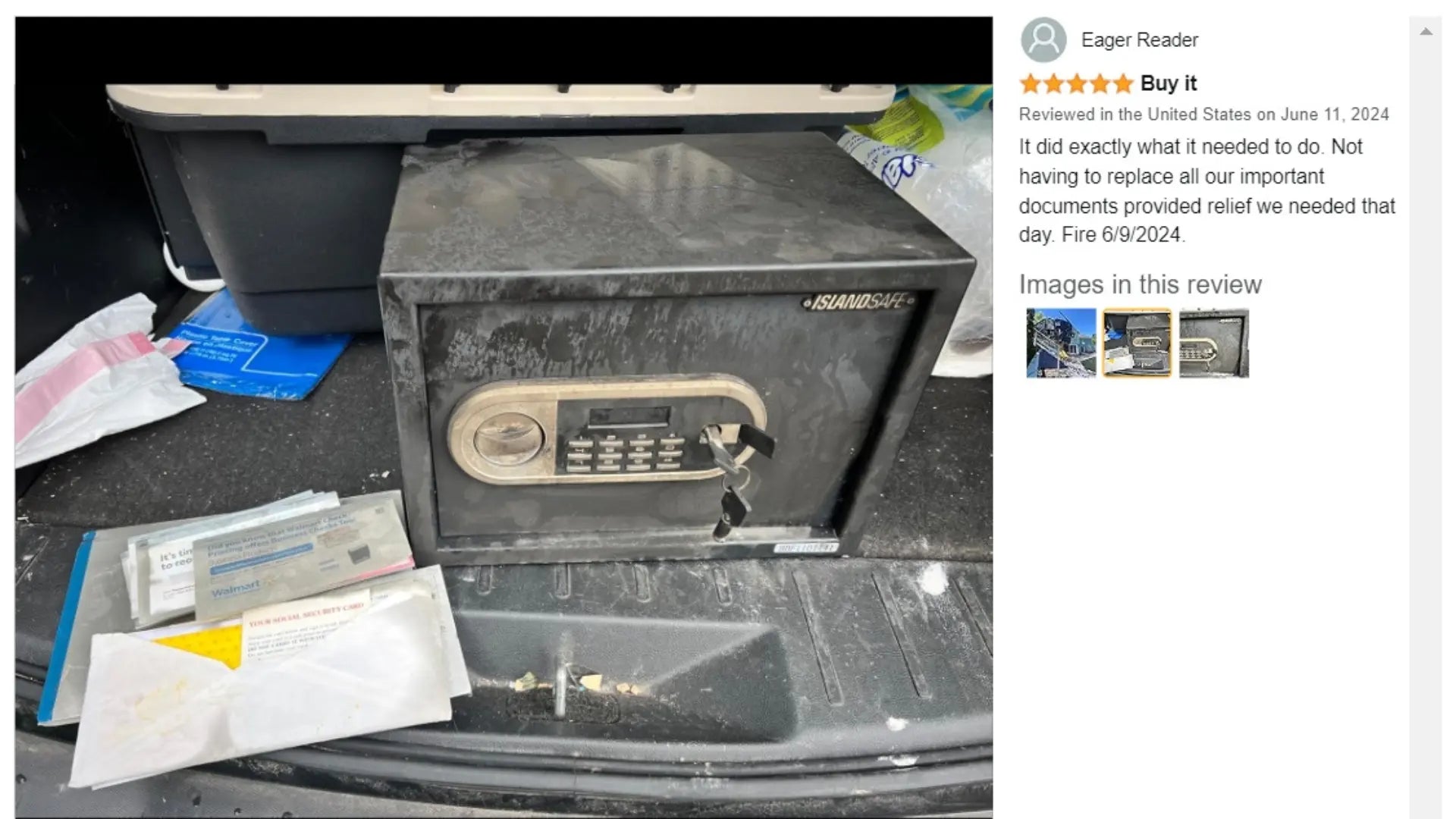
Real Story: How One Safe Survived a House Fire
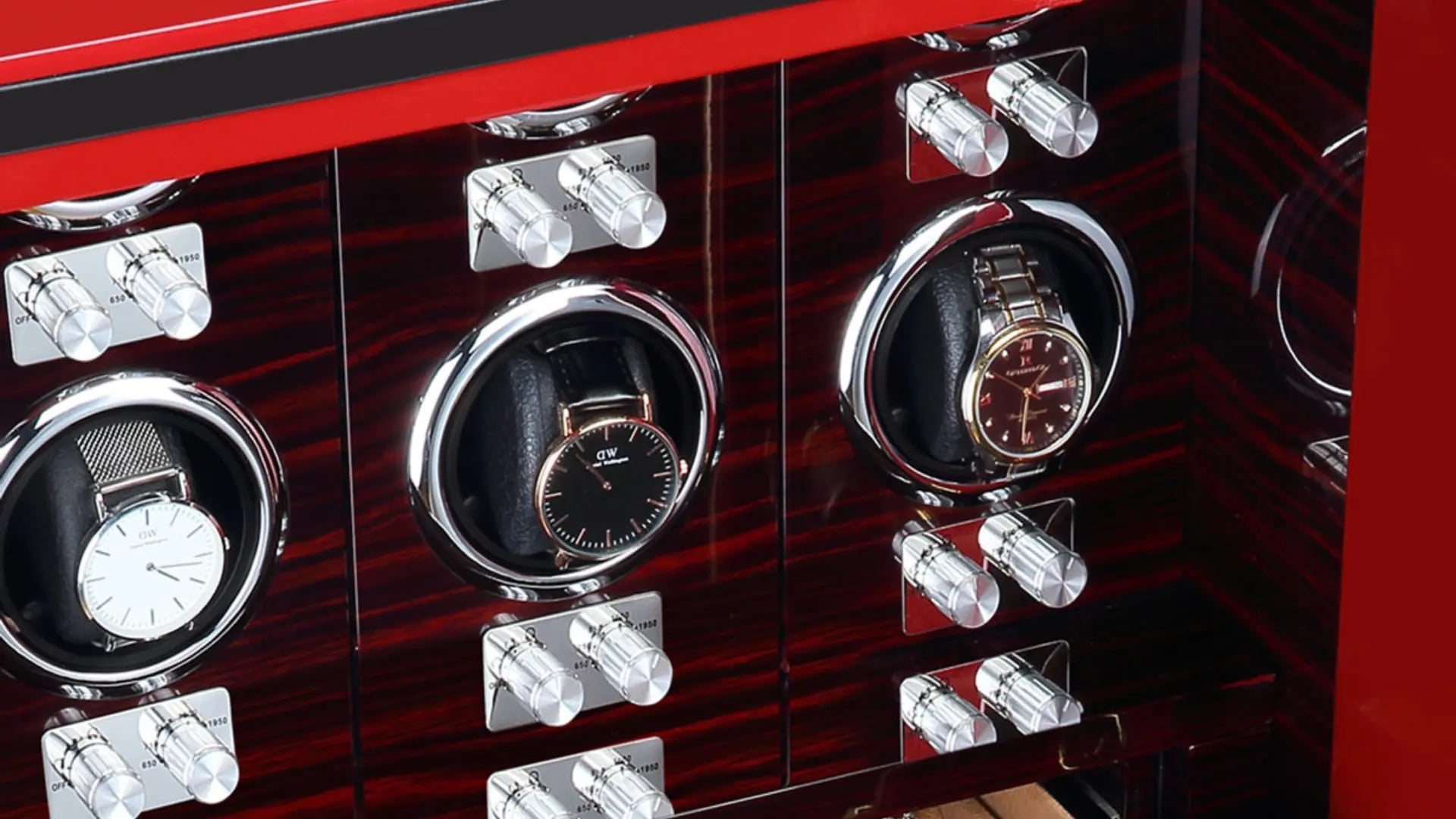
Real Story: How a Customized Safe Protected a Million-Dollar Watch Collection
